
The rapid advancement of artificial intelligence is reshaping the global job market faster than ever before. As we head into 2026, professionals, employers, and policymakers are asking critical questions: How many jobs will AI replace by 2026? What is the real impact of AI on employment? This comprehensive guide explores the statistics, trends, and opportunities in the AI jobs landscape for 2026, with insights tailored for audiences across the US, UK, and Canada.
Understanding AI’s Impact on Jobs in 2026
Artificial intelligence is no longer a distant future concern—it’s reshaping the present. According to recent research, 37% of companies expect to replace some jobs with AI by the end of 2026. Additionally, 89% of HR leaders surveyed believe that AI will significantly impact jobs in 2026.
However, the narrative isn’t as simple as “AI is replacing workers.” Instead, AI is transforming work itself. The World Economic Forum projects that while AI will displace 92 million roles by 2030, it will simultaneously create 170 million new jobs, resulting in a net gain of 78 million positions. This represents both disruption and opportunity.
Key Statistics on AI Job Displacement and Creation
In the United States:
- Current AI capabilities can already handle job tasks linked to 11.7% of the US labor market, according to the MIT Iceberg Index report
- This represents approximately 1.2 trillion dollars in wage value
- Manufacturing is projected to see 2 million workers displaced by AI by 2026
- 50% of US tech job postings now require AI skills, representing a 28% increase
- Entry-level employment (ages 22-25) in jobs with high AI exposure has declined by 13% relative to other roles
In the United Kingdom and Canada:
- Similar trends are observed, with significant job transformation expected in customer service, data entry, and administrative roles
- However, demand for AI literacy professionals and technical specialists continues to surge
- Healthcare and education sectors show resilience due to their reliance on human judgment and trust
How Many Jobs Will AI Replace by 2026?
This is the question everyone wants answered. The truth is nuanced:
Current Capability:
AI can currently replace 11.7% to 12% of jobs in the US workforce. However, this doesn’t mean these jobs will immediately disappear. Instead, these roles will be transformed, augmented, or gradually phased out as organizations implement AI solutions.
By 2026 Projections:
While specific 2026 predictions vary by analyst, most industry leaders agree on these ranges:
- 6% to 7% of the US workforce may need to transition into new occupations
- Some analysts suggest up to 50-60% of jobs will be transformed or automated to some degree
- Entry-level white-collar positions are most vulnerable, with some experts predicting half of entry-level roles could be eliminated within five years
Most Vulnerable Job Categories:
- Customer service representatives (high AI agent adoption expected)
- Data entry specialists
- Administrative assistants and support roles
- Telemarketing professionals
- Routine content creators
- Bookkeeping and accounting roles
- Manufacturing and assembly line workers
The AI Jobs Transformation Story
A significant turning point came in September 2025 when Salesforce announced the elimination of 4,000 customer support positions due to increased reliance on AI agents. This represents one of the largest visible AI-driven job reductions to date and signals the direction of 2026.
However, this is balanced by explosive growth in AI-related roles:
- AI prompt engineers
- Machine learning specialists
- AI ethics and governance professionals
- AI literacy trainers
- Healthcare tech implementation specialists
- AI compliance officers
Why Entry-Level Workers Are Most Affected
One of the most striking findings from recent research is that entry-level employment is declining fastest in AI-exposed jobs. Here’s why:
Pattern Recognition: Payroll data shows a 13% relative decline in early-career employment for roles with high AI exposure. This isn’t due to mass layoffs—it’s due to reduced hiring at entry-level positions.
Job Posting Trends: Analysis of 285,000 firms reveals fewer entry-level openings but stronger demand for experienced professionals who can work alongside AI tools.
Reason for Change: Companies are hiring fewer junior staff to perform routine tasks (which AI now handles) but still need senior professionals to supervise, refine, and manage AI systems.
For young professionals in the US, UK, and Canada, this means:
- Traditional internship and entry-level pathways are narrowing
- Quick upskilling is essential to remain competitive
- Technical skills combined with soft skills (critical thinking, creativity, leadership) are invaluable
The Skills Earthquake: What’s Changing in 2026
The World Economic Forum reports that employers expect 39% of workers’ core skills to change by 2030, with this transformation accelerating significantly in 2026.
Fastest-Growing Demanded Skills:
- AI and big data expertise
- Cybersecurity and network knowledge
- Technological literacy
- Critical thinking and problem-solving
- Creativity and innovation
- Emotional intelligence
- Leadership and complex communication
Importantly, skills for AI-exposed jobs are changing 66% faster than for other jobs—2.5 times faster than the previous year. This acceleration affects professionals across all three key markets: the US, UK, and Canada.
Industries Most Impacted by AI by 2026
High-Impact Sectors:
1. Customer Service and Support
AI agents are becoming increasingly sophisticated. Companies like Salesforce are already demonstrating significant job displacement in this sector.
2. Manufacturing
Robotics and AI-driven automation continue to reshape production lines. The projection of 2 million manufacturing workers being displaced by 2026 reflects this trend.
3. Content Creation
Generative AI has disrupted freelance writing, graphic design, and video editing. Entry-level content creators face particular pressure, while demand for AI-savvy creative directors and AI-experienced editors rises.
4. Data Analysis and Administrative Work
Routine data processing and administrative tasks are increasingly automated, affecting back-office operations globally.
Resilient Sectors:
1. Healthcare
The reliance on human judgment, empathy, and complex decision-making keeps healthcare relatively protected. However, new roles in health tech and AI implementation are emerging.
2. Education
Teaching and mentoring rely on human connection and trust. AI augments these roles rather than replacing them, creating opportunities for educators skilled in AI literacy training.
3. Skilled Trades
Electricians, plumbers, and other trades requiring hands-on problem-solving in varied environments remain secure, though they’re increasingly supported by AI diagnostic tools.
New Opportunities: The AI Jobs Boom
While AI disrupts some roles, it creates significant opportunities:
Emerging Roles Expected to Surge in 2026:
- AI Prompt Engineers: Training and optimizing AI systems to perform specific tasks
- AI Ethics Officers: Ensuring responsible AI deployment
- ML Operations Specialists: Managing machine learning workflows
- AI Trainers: Teaching organizations how to adopt and use AI effectively
- Health Tech Implementation Specialists: Integrating AI into healthcare systems
- AI Solutions Architects: Designing AI systems for business problems
- Data Scientists and Engineers: Preparing data for AI systems
Salary Trends:
Roles demanding AI literacy, advanced technical skills, and complex human judgment are commanding higher salaries. Routine jobs may face slower wage growth, creating incentives for workers to upskill.
How AI Is Transforming Recruitment in 2026
AI isn’t just affecting jobs—it’s changing how jobs are filled. Companies are using AI for:
- Automated resume screening and analysis
- Initial video interview analysis
- Skill-based matching rather than experience-based hiring
- Faster hiring processes (89.6% speedup reported)
For job seekers in the US, UK, and Canada, this means:
- Creating AI-friendly resumes optimized for screening algorithms
- Developing demonstrable skills over traditional credentials alone
- Building portfolios and GitHub repositories (for tech roles)
- Continuous learning and certification in emerging technologies
Geographic Variations: US, UK, and Canada
United States:
- Largest AI adoption among companies
- Most job displacement expected in tech and customer service hubs (Silicon Valley, Seattle, New York)
- Strongest growth in AI job creation in tech centers and major metropolitan areas
- Federal initiatives like the US AI Action Plan with 90 policy positions are preparing the workforce
United Kingdom:
- Strong emphasis on responsible AI deployment
- Growing demand for AI ethics and governance roles
- Financial services sector heavily investing in AI talent
- Brexit effects creating unique labor market dynamics
Canada:
- Positioned as an AI hub, particularly in Toronto and Montreal
- Strong government support for AI workforce development
- Growing opportunities in AI research and development
- Less dramatic disruption predicted compared to the US
Strategies to Thrive in the 2026 AI Job Market
For Job Seekers:
- Acquire AI Literacy: Understanding how AI works is essential, even for non-technical roles
- Combine Technical and Soft Skills: Pair technical AI knowledge with creativity, leadership, and emotional intelligence
- Build Practical Experience: Create projects, contribute to open-source AI initiatives, earn certifications
- Focus on Human Skills: Roles requiring judgment, creativity, and complex problem-solving remain valuable
- Stay Informed: Follow industry trends, join AI communities, and engage in continuous learning
For Employers:
- Invest in Reskilling Programs: Help existing employees transition to AI-adjacent roles
- Update Recruitment Strategies: Look for potential and learning ability, not just current skills
- Plan for Ethical AI Deployment: Build teams focused on responsible AI implementation
- Create Hybrid Roles: Develop positions that combine AI tools with human expertise
The Goldman Sachs Perspective: 300 Million Jobs at Risk
Goldman Sachs’ 2023 report projects that 300 million jobs worldwide could be lost or degraded due to AI. The most impacted regions are the US and Europe, particularly in industries relying on repetitive, structured tasks.
However, the report balances this with the projection that AI could increase global GDP by 7%, creating new opportunities and economic growth. Historical parallels with previous general-purpose technologies (electric motors, personal computers) suggest that while disruption is real, so is job creation.
What Governments Are Doing
Recognizing the urgency, governments are taking action:
United States:
- Launched the US AI Action Plan with 90 policy positions
- Established the National AI Workforce Research Hub
- Investing in energy, infrastructure, and workforce development
United Kingdom and Canada:
- Developing AI education and training initiatives
- Creating frameworks for responsible AI deployment
- Investing in AI research centers and innovation hubs
The Double Disruption Challenge
While AI creates opportunities, the World Economic Forum warns of “double disruption,” where automation and other factors (like continuing pandemic effects) accelerate job displacement faster than society can adapt. Many emerging markets and cities lack the digital infrastructure or policy flexibility needed to manage AI’s influence.
This makes proactive workforce development critical for all three markets (US, UK, Canada).
Key Takeaways: AI Jobs 2026 and Beyond
- AI Can Currently Replace 11.7% of US Jobs: This figure will grow gradually through 2026 as technology matures and adoption accelerates
- Net Job Creation is Expected: While 92 million jobs will be displaced by 2030, 170 million new jobs will be created—a net gain
- Entry-Level Roles Are Most Vulnerable: Young professionals should prioritize upskilling and developing AI literacy
- Soft Skills Remain Invaluable: Creativity, critical thinking, leadership, and emotional intelligence will be increasingly valuable
- Geographic Variation Exists: The US expects more disruption than Canada, with the UK in between
- New High-Paying Roles Are Emerging: AI specialists, prompt engineers, and AI ethics professionals command premium salaries
- Speed of Change is Accelerating: Skills are changing 2.5x faster than before, requiring continuous learning
- Proactive Government Action is Critical: Workforce development programs and education reforms are essential for smooth transitions
Conclusion
The impact of AI on jobs in 2026 is neither purely positive nor purely negative—it’s transformative. Yes, AI will replace certain roles, particularly in customer service, data entry, and administrative support. However, it will create new opportunities in emerging fields and augment existing roles with AI-assisted capabilities.
For professionals in the US, UK, and Canada, the message is clear: adapt or risk displacement. This means developing AI literacy, combining technical skills with uniquely human capabilities, and committing to lifelong learning.
For employers, 2026 presents both challenges and opportunities to reimagine work, invest in talent development, and build ethical AI systems.
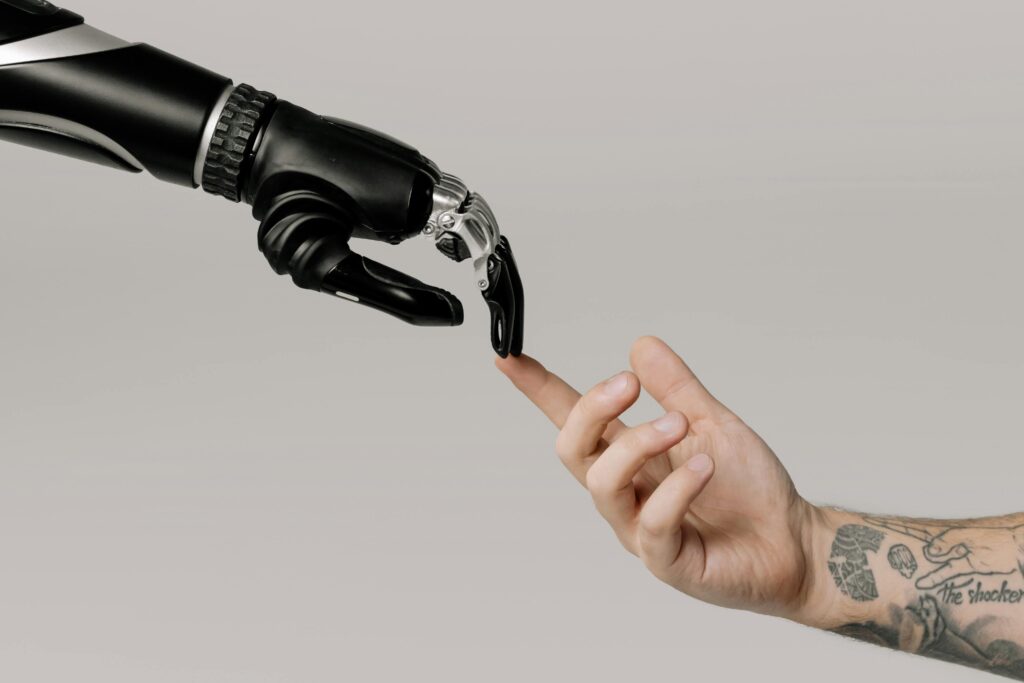
The future of work isn’t about humans versus AI—it’s about humans and AI working together. Those who embrace this partnership will thrive in 2026 and beyond.
Frequently Asked Questions (FAQs)
Q: How many jobs will AI replace by 2026?
A: Current estimates suggest AI can handle 11.7% to 12% of job tasks. By 2026, 6-7% of the US workforce may need to transition to new roles, though this varies by region and industry.
Q: Which jobs are safest from AI?
A: Healthcare, education, skilled trades, and roles requiring complex human judgment, creativity, and emotional intelligence remain relatively protected.
Q: What skills should I learn for AI jobs 2026?
A: Focus on AI literacy, data analysis, machine learning, prompt engineering, plus soft skills like critical thinking, creativity, and leadership.
Q: Are new jobs being created faster than old jobs are disappearing?
A: By 2030, yes. The WEF projects 170 million new jobs created versus 92 million displaced. However, in the short term (through 2026), some regions may experience displacement without sufficient new job creation.
Q: How does this differ in the US, UK, and Canada?
A: The US expects more disruption with faster AI adoption, Canada is positioned as an AI hub with support programs, and the UK emphasizes responsible, ethical AI deployment.
The AI revolution is here. The question isn’t whether AI will impact jobs by 2026—it’s how you’ll prepare for and capitalize on this transformation.